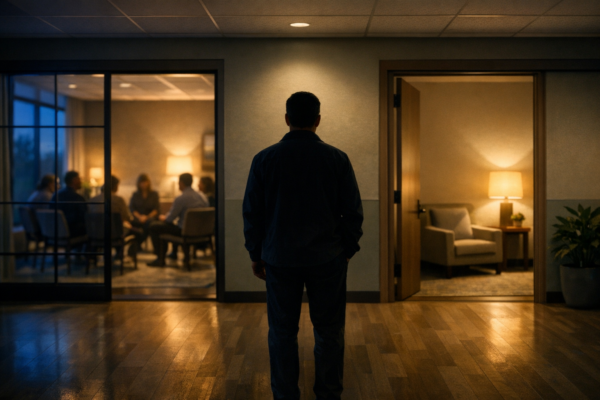
How to Build a Recovery-Friendly Lifestyle After Treatment
A recovery-friendly lifestyle is one where your daily habits, environment, relationships, and routines actively support your wellbeing — where the way you live each day makes healthy choices feel more natural and sustainable. If you have recently completed a treatment program, or you are preparing to transition into daily life after care, building this kind of lifestyle is one of the most meaningful things you can do for yourself.
That said, leaving a structured treatment setting can feel both hopeful and disorienting at the same time. The support that surrounded you in treatment does not automatically follow you home. The structure that held your days together may suddenly be gone. And the question of what now can feel heavier than anyone prepared you for. This guide is here to help you think through that transition clearly — not with vague advice, but with practical steps you can start using today.
Below, we walk through the core areas of daily life that matter most during this stage: routine, environment, boundaries, support, physical health, purpose, and planning for harder days. Each section is designed to help you take one more step toward a life that feels genuinely yours.
The First Days After Treatment: What to Expect
Most recovery guides skip straight to long-term lifestyle advice. But the first few days and weeks after leaving treatment are their own distinct chapter, and they deserve honest attention.
During treatment — whether that was residential care, a partial hospitalization program, or an intensive outpatient program — your days had built-in structure. Someone else managed the schedule. Meals happened at set times. Therapy sessions were already on the calendar. Peers who understood your experience were in the same room.
When that structure ends, the shift can feel abrupt. You might notice:
- A sudden increase in unstructured time — hours that used to be filled with groups, sessions, or community meals are now open and quiet
- A wave of mixed emotions — relief and anxiety, pride and uncertainty, excitement and fatigue, sometimes all within the same afternoon
- Practical overwhelm — appointments to schedule, groceries to buy, routines to rebuild, and responsibilities that paused while you were in care
- A sense of isolation — especially if your home environment or social circle looks very different from the supportive community you just left
None of these reactions mean something has gone wrong. They are a normal part of transitioning out of structured care, and acknowledging them honestly is the first step toward handling them well.
This is also why many people benefit from step-down care rather than an abrupt end to treatment. At Totality Treatment Center, our PHP, IOP, and IIP programs are specifically designed to help people move through levels of care at a pace that supports their stability. If you have completed residential or inpatient treatment and are not sure what comes next, our admissions team can help you understand which level of outpatient support may be appropriate for where you are right now.
Build a Daily Routine That Actually Supports You
Why Structure Matters More Than It Sounds
Routine might not sound exciting, but during early recovery it serves a very specific purpose: it reduces the number of decisions you have to make each day. Researchers sometimes call this decision fatigue — the idea that every choice you make, no matter how small, draws from a limited reserve of mental energy. When that reserve runs low, it becomes harder to make the choices that matter most.
A predictable daily structure gives your brain fewer open-ended questions to wrestle with. You already know when you are waking up, what you are eating, when your meeting or appointment is, and what your evening looks like. That predictability is not rigid — it is protective.
Start Small: The Non-Negotiable Basics
You do not need a perfectly optimized schedule on day one. Start with three anchors:
- A consistent wake-up time — even on days when you have nowhere to be, waking up at the same time keeps your body’s internal clock stable
- Regular meals — eating at roughly the same times each day supports mood, energy, and sleep; it does not need to be elaborate
- One planned daily activity — this could be a therapy appointment, a recovery meeting, a walk, a phone call with a supportive person, or time spent on something meaningful to you
Once those three anchors feel manageable, you can add layers gradually. The goal is not to fill every hour — it is to create enough predictability that unstructured time does not become overwhelming.
What a Recovery-Supportive Day Can Look Like
Here is one example of how someone in outpatient recovery might structure a weekday. This is not a prescription — it is an illustration:
- Morning: Wake at 7:00, breakfast, brief journaling or reflection, prepare for the day
- Mid-morning: Attend an IOP session, therapy appointment, or recovery group
- Afternoon: Lunch, light physical activity such as a walk, handle one or two practical tasks
- Evening: Dinner, connect with a supportive person, wind-down routine, consistent bedtime
If you are working or attending school, your structure will look different — and that is completely fine. What matters is that the day has rhythm, not that it matches anyone else’s template.
For people who work during the day, Totality Treatment Center offers a Night Track program and telehealth options so that treatment can fit around professional and personal responsibilities rather than replacing them. This kind of flexibility can make the difference between maintaining a recovery-supportive routine and feeling forced to choose between treatment and the rest of your life.
Make Your Environment Work for Your Recovery
Your Home
Your living space has a quiet but real influence on how you feel each day. A recovery-friendly home is not about perfection — it is about reducing friction. A few things that can help:
- Remove or secure substances — if there are substances in the home that could present a risk, removing them or asking a trusted person to store them elsewhere can reduce unnecessary pressure on yourself
- Create one calm space — even a small area where you can sit quietly, read, or practice a breathing exercise can serve as a personal reset point
- Reduce visual and sensory clutter — a tidy space is not about aesthetics; it is about reducing the low-level stress that comes from disorganization
- Stock your kitchen with foods you can prepare easily — when cooking feels like too much, having simple, nourishing options available helps you avoid skipping meals
Your Digital Environment
This is an area that most recovery guides overlook, but it matters. Your phone and your social media feeds are part of your daily environment. Consider:
- Muting or unfollowing accounts that glamorize substance use, promote unhealthy behavior, or consistently make you feel worse
- Adding recovery-supportive resources to your phone — apps for meditation, gratitude, mood tracking, or meeting schedules can turn your device into a tool that works for you
- Reviewing your contacts — you do not have to delete anyone, but knowing who in your phone is a safe person to call during a hard moment is genuinely useful information to have ready
Social Settings
At some point, you will encounter a gathering, event, or situation where substances are present. Having a plan for this before it happens is much more effective than trying to figure it out in the moment.
Some practical approaches:
- Decide before you arrive whether you will stay or leave, and give yourself full permission to leave early without guilt
- Bring your own non-alcoholic drink — having something in your hand reduces the number of times someone offers you something
- Have a trusted person you can text or call if you need to talk through what you are feeling
- Know that saying no is enough — you do not owe anyone an explanation about your choices
Set Boundaries That Protect Your Progress
What Healthy Boundaries Look Like in Recovery
A boundary is not a wall. It is a clear, calm statement about what you need in order to take care of yourself. In recovery, boundaries might look like:
- Choosing not to attend events where substance use is the main activity
- Asking a family member to stop making comments about your treatment
- Limiting time with someone whose behavior consistently leaves you feeling drained or unsafe
- Saying no to a commitment when your schedule is already full
Boundaries are not punishments for other people. They are decisions you make to protect your own stability.
How to Have Difficult Conversations
Setting a boundary is easier to talk about in theory than in practice. Here are a few frameworks that can help when you need to say something hard:
- Something like: “I value our relationship, and I have to be upfront about my limits right now.” — This opens the conversation with warmth while making clear that your need is real.
- Something like: “Being around [specific situation] isn’t something I can do at this point — this is about taking care of myself, not a judgment of you.” — This separates the boundary from blame.
- Something like: “Thank you for including me — I’m going to pass on this one.” — Simple, kind, and complete. You do not need to justify it further.
If setting boundaries feels unfamiliar or uncomfortable, this is something that therapy — whether individual or group — can help you practice. At Totality Treatment Center, building communication and relational skills is part of the work that happens in both individual and group sessions, because recovery does not happen in isolation from the relationships around you.
When Boundaries Mean Distance
Sometimes, protecting your recovery means creating significant distance from certain people or situations. That can include family members, close friends, or social circles that were closely tied to your previous patterns.
This is one of the harder parts of recovery, and it deserves honesty: creating distance from someone you care about can feel like loss, even when you know it is necessary. Grief over those changes is normal. It does not mean you made the wrong decision.
If your support system feels smaller than you would like right now, you are not alone in that. Building new, healthier connections takes time, and it is one of the most important investments you can make.
Build a Support Network You Can Actually Rely On
Professional Support
Continuing some form of professional care after your initial treatment ends is one of the most consistent recommendations in recovery — and for good reason. The skills, awareness, and stability you built in treatment need ongoing reinforcement, especially in the first months after stepping down.
Professional support may include:
- Individual therapy — to continue working through the underlying patterns, experiences, or co-occurring mental health concerns that are part of your recovery
- Group therapy — to stay connected to peers who understand your experience and to practice interpersonal skills in a guided environment
- Outpatient treatment programs — such as PHP, IOP, or IIP, which offer structured clinical care while allowing you to live at home and maintain daily responsibilities
- Case management — to help coordinate the practical details of continuing care, referrals, insurance, and life logistics that can otherwise feel overwhelming to handle alone
At Totality Treatment Center, we often work with individuals who are stepping down from residential or inpatient care and need a structured outpatient program that does not require them to put the rest of their life on hold. Our PHP program may be appropriate for people who need a higher level of structure and clinical support, while our IOP program may be a better fit for those who are further along in their recovery and need less intensive but still consistent care. Telehealth and Night Track options are also available for people whose schedules do not fit a traditional daytime program.
A clinical assessment can help determine which level of care may be most appropriate for your situation. Our admissions team can walk you through the options and help clarify what might work for your needs, schedule, and insurance or private-pay situation.
Peer Support
Peer support means connecting with others who have direct experience navigating recovery. This might take the form of:
- 12-step meetings such as AA or NA
- Non-12-step recovery groups such as SMART Recovery or Refuge Recovery
- Alumni groups from treatment programs
- Online recovery communities or forums
The value of peer support is not just accountability — it is belonging. After treatment, many people describe a specific kind of loneliness: they are surrounded by people who care about them but who do not fully understand what they are going through. Peer groups help fill that gap.
Personal Support
Friends, family members, partners, and other people in your life can play an important role in your recovery — but that role works best when expectations are clear on both sides.
Some helpful guidelines:
- Identify one or two people you can call when you are having a difficult day, and let them know you may reach out
- Be specific about what you need — sometimes you need advice, sometimes you just need someone to listen, and it helps to say which one
- Let your loved ones know how they can support you without managing your recovery for you
What If Your Support System Is Limited?
Not everyone has a large or reliable personal support network, and that is not a reflection of your worth. If your existing relationships are strained, distant, or actively unhealthy, here are some places to start:
- Recovery meetings — many of which are free and available in-person or online — are one of the most accessible ways to meet people who understand
- Volunteering — contributing to a cause you care about connects you with people who share your values
- Structured treatment programs — outpatient programs like those at Totality Treatment Center include group therapy as a core component, which means you are building connections with peers as part of your care
- Faith-based or spiritual communities — if this resonates with you, these spaces can provide both belonging and routine
Building a support network after treatment is not instant. It takes time, consistency, and vulnerability. But it is one of the most worthwhile things you can invest in.
Take Care of Your Body as Part of Your Recovery
Physical health and mental health are deeply connected. How you eat, move, sleep, and care for your body has a direct effect on your mood, your energy, your ability to manage stress, and your overall sense of stability. This does not mean you need to become a fitness enthusiast overnight. It means paying attention to the basics.
Nutrition for Recovery
Many people in early recovery are coming from a period when nutrition was inconsistent, neglected, or disrupted. You do not need a perfect diet. You need consistent, nourishing meals that keep your blood sugar stable and give your body what it needs to heal.
- Aim for three meals a day at roughly the same times
- Include protein, complex carbohydrates, and healthy fats when possible
- Stay hydrated — dehydration can mimic anxiety, fatigue, and low mood
- If cooking feels like too much right now, simple options like pre-made meals, easy-to-assemble foods, or meal delivery can bridge the gap
Movement That Feels Good
Exercise can support mood regulation, reduce stress, and improve sleep — but only if it is something you can actually sustain. Recovery-friendly movement might look like:
- Walking for 20 to 30 minutes
- Gentle stretching or yoga
- Swimming, cycling, or hiking
- Playing a sport you used to enjoy
- Dancing, gardening, or any physical activity that does not feel like a punishment
The goal is not performance. It is regularity and enjoyment. If a gym membership feels right, great. If a walk around the block is where you are right now, that is enough.
Sleep as a Recovery Tool
Poor sleep can destabilize mood, increase irritability, reduce impulse control, and make everything harder. In early recovery, sleep patterns may be disrupted, and improving them takes intentional effort.
- Set a consistent bedtime and wake time — your body adjusts faster when the schedule is predictable
- Limit screens for 30 to 60 minutes before bed — the blue light and stimulation from devices can interfere with falling asleep
- Create a wind-down routine — reading, gentle stretching, a warm shower, or a few minutes of breathing exercises can signal your body that it is time to rest
- Avoid caffeine in the afternoon and evening
If sleep problems persist, mention them to your therapist or physician. Sleep difficulties can be connected to anxiety, depression, or other conditions that may benefit from clinical attention.
Stay Connected to Medical and Clinical Care
Recovery is not the end of your healthcare needs — it is an extension of them. Keep up with:
- Therapy appointments
- Psychiatric follow-ups if you are managing medication
- Primary care check-ups
- Dental and vision care, which are often neglected during periods of active substance use or mental health crisis
If coordinating all of this feels overwhelming, that is understandable. One of the reasons many clients come to Totality Treatment Center is that trying to assemble their own care team — finding the right therapists, managing referrals, handling insurance — creates a kind of logistical exhaustion that gets in the way of actual recovery. Our case management support is designed to help with exactly that.
Find Purpose and Meaning Beyond Treatment
There is a concept that sometimes gets called sobriety fatigue — the experience of doing everything right, attending your appointments, following your routine, staying connected to support — and still feeling flat, empty, or like something is missing. If you recognize this feeling, it may mean your recovery needs something beyond maintenance. It may need meaning.
Reconnecting with Interests and Passions
Substance use and mental health challenges often push hobbies, interests, and creative outlets to the margins. Part of building a recovery-friendly lifestyle is rediscovering what you enjoy — or discovering it for the first time.
This does not have to be dramatic. It might mean:
- Picking up a musical instrument again
- Starting to draw, paint, or write
- Exploring a subject that interests you through books, podcasts, or classes
- Spending time in nature
- Cooking a recipe you have never tried
The point is engagement — activities that absorb your attention and remind you that life has texture beyond the work of recovery itself.
Setting Goals That Build Confidence
Goals in early recovery work best when they are small enough to achieve and meaningful enough to matter. Consider starting with goals you can accomplish within a week or two:
- Attend three recovery meetings this week
- Apply for one job or educational opportunity
- Have one honest conversation with a family member
- Cook dinner at home four nights this week
- Go to bed before 11:00 p.m. every night for a week
Each goal you complete builds evidence — evidence that you are capable of follow-through, that your effort leads to results, and that your life is moving in a direction you are choosing.
Contributing to Something Larger Than Yourself
Volunteering, mentoring, helping at a recovery meeting, supporting someone who is earlier in their journey — these kinds of contributions can shift your relationship with recovery from something you are enduring to something that gives back.
You do not need to be years into recovery to contribute. Showing up consistently, being honest about your experience, and being willing to support others are all forms of meaningful participation.
Prepare for Difficult Days Before They Arrive
Difficult days will happen. Not because you are doing something wrong, but because recovery is a process that exists inside a real life — a life that includes stress, loss, conflict, boredom, loneliness, and unexpected challenges. The difference between a difficult day that derails you and a difficult day you get through is often preparation.
Know Your Warning Signs
Before a truly hard moment arrives, there are usually quieter signals. These vary from person to person, but common early warning signs include:
- Disrupted sleep for several nights in a row
- Withdrawing from people or skipping appointments
- Increased irritability or emotional numbness
- Romanticizing past substance use or minimizing past consequences
- Neglecting meals, hygiene, or responsibilities
- Feeling like treatment “did not work” or that nothing matters
Recognizing these patterns early gives you more time and more options to respond.
Write a Personal Plan for Hard Moments
One of the most effective things you can do right now — while you are feeling steady — is to write down a personal plan for difficult days. Keep it somewhere accessible: your phone, your wallet, your nightstand.
Your plan might answer questions like:
- Who are three people I can call or text when I am struggling?
- What is one safe activity I can do in the next 10 minutes to interrupt the pattern? (examples: walk outside, take a shower, call someone, play a specific song, hold ice cubes)
- Where is one place I can go that feels safe?
- What is one thing I would tell a friend who was feeling this way?
- What does my therapist or counselor usually remind me in moments like this?
- What is one reason I chose recovery in the first place?
Writing this plan when you are calm means it will be there when you are not.
A Setback Is Not a Failure
If you experience a setback — whether that is a return to substance use, a significant worsening of mental health symptoms, or a period where your recovery feels like it is unraveling — that does not erase the progress you have made. It does not mean you are incapable of recovery. It means you are a human being navigating an extraordinarily difficult process.
What matters most in that moment is what you do next:
- Reach out immediately — to your therapist, counselor, sponsor, or a trusted person
- Be honest about what happened — secrecy makes it harder, not easier
- Consider whether your current level of care needs to be adjusted — stepping back up to a more structured program is not a failure; it is a clinical decision made in your interest
At Totality Treatment Center, we understand that recovery does not follow a straight line. If you or someone you love needs to step back into a more structured outpatient program after a setback, our team can help assess what level of care may be appropriate and what the next steps look like.
If you or someone you know is in immediate danger, experiencing a medical emergency, or having thoughts of self-harm or suicide, please contact emergency services (911) or the 988 Suicide & Crisis Lifeline (call or text 988) immediately.
How Outpatient Treatment Supports a Recovery-Friendly Lifestyle
One of the most important — and most misunderstood — pieces of building a recovery-friendly lifestyle is continuing care. Many people assume that once their initial treatment ends, they should be able to manage on their own. But recovery research and clinical practice consistently support the value of step-down care: a gradual reduction in treatment intensity that helps you practice the skills you have learned in the real context of your daily life.
Outpatient programs are specifically designed for this purpose. Rather than providing 24-hour care in a clinical setting, outpatient treatment lets you live at home, go to work or school, manage your responsibilities, and attend treatment sessions on a schedule that supports both your recovery and your life.
At Totality Treatment Center, our outpatient programs include:
| Program | What It Involves | Who It May Be Appropriate For |
|---|---|---|
| PHP (Partial Hospitalization Program) | Structured programming for several hours per day, multiple days per week; includes individual therapy, group therapy, and clinical support | People stepping down from residential care or those who need a higher level of outpatient structure |
| IOP (Intensive Outpatient Program) | Several hours of programming per week with more flexibility than PHP; includes group and individual sessions | People who are further in their recovery and need consistent but less intensive support |
| IIP (Individualized Intensive Program) | Tailored clinical programming designed around specific needs and goals | People whose needs do not fit neatly into a standard PHP or IOP track |
| Night Track | Evening programming that provides the same clinical care during hours that work for people with daytime commitments | Working professionals, students, parents, or anyone whose schedule requires evening treatment hours |
| Telehealth | Virtual sessions that allow participation from home or another private location | People who need flexible access or for whom in-person attendance is a barrier |
Each of these programs integrates individual therapy, group therapy, and case management support, so you are not trying to coordinate care across multiple providers on your own. For people managing dual diagnosis needs — co-occurring substance use and mental health conditions — this kind of integrated support can be especially valuable, because both concerns are addressed together rather than in separate, disconnected systems.
If you are unsure which level of care may be right for your situation, a conversation with our admissions team is a good place to start. They can help you understand your options based on your clinical needs, your schedule, and your insurance or private-pay situation.
A Recovery-Friendly Lifestyle Self-Check
Use the following questions as a personal check-in. There are no right or wrong answers — this is a tool to help you notice where you are doing well and where you might want to focus next.
- Do I have a consistent daily routine with regular sleep, meals, and at least one planned activity?
- Does my home environment support my wellbeing, or are there changes I could make?
- Have I removed or addressed obvious risks or triggers in my living space?
- Do I have at least one person I can call honestly when I am having a hard day?
- Am I connected to some form of ongoing professional or peer support?
- Am I taking care of my body — eating, sleeping, and moving in ways that feel sustainable?
- Do I have something in my life that gives me a sense of purpose or meaning?
- Have I written down a personal plan for what to do on a difficult day?
- Do I know when and how to ask for more support if I need it?
If several of these feel uncertain or incomplete, that is not a sign of failure — it is information. It tells you where your next step might be.
Frequently Asked Questions
What does “recovery-friendly” actually mean?
A recovery-friendly lifestyle is one where your daily habits, environment, relationships, and routines actively support your health and stability. It means the way you live each day makes it easier — not harder — to continue the progress you have made in treatment.
How do I build a daily routine after treatment?
Start with three anchors: a consistent wake-up time, regular meals, and one planned daily activity such as therapy, a recovery meeting, or exercise. Once those feel stable, you can add more structure gradually. The goal is predictability, not perfection.
Should I continue therapy after treatment ends?
Continuing some form of therapy or clinical support after initial treatment is widely recommended. The skills you built in treatment benefit from ongoing reinforcement, and a therapist can help you navigate the challenges that arise as you apply those skills in daily life. Outpatient programs like PHP or IOP can also serve as a bridge between intensive treatment and fully independent living.
How do I set boundaries with people who do not support my recovery?
Start by being clear and calm about what you need. A boundary is not an attack — it is a statement about what you require for your own wellbeing. If someone consistently undermines your recovery, creating distance may be necessary, even if it is painful. Therapy can help you practice these conversations.
What should I do if I feel like I am struggling or slipping?
Reach out as soon as possible — to your therapist, a trusted friend, a peer support group, or a treatment provider. If you have a written plan for hard moments, use it. If your current level of care does not feel like enough, a clinical assessment can help determine whether stepping up to a more structured program may be appropriate.
How do I find a support group after treatment?
Many recovery meetings, including 12-step programs and alternatives like SMART Recovery, are available both in-person and online. Your therapist, case manager, or treatment program may also be able to recommend local options. Alumni groups from treatment programs can be another valuable connection.
What if I do not have a supportive family?
You can build a support network outside of your family through recovery groups, outpatient treatment communities, volunteer work, and new relationships built on shared values. It takes time, but a support system does not have to come from family to be meaningful and reliable.
How does outpatient treatment help after initial treatment?
Outpatient programs provide structured clinical care — including therapy, group sessions, and case management — while allowing you to live at home and manage daily responsibilities. This model supports the transition from intensive treatment to independent living by giving you consistent professional support as you practice your recovery skills in real-world settings.
Your Next Step
Building a recovery-friendly lifestyle is not about doing everything perfectly from day one. It is about making steady, intentional choices that support your health, your stability, and the life you are working toward. Some days will feel easier than others. That is the nature of the process — and it does not diminish the progress you are making.
If you are looking for structured outpatient support as you build your recovery-friendly life — whether that means PHP, IOP, Night Track, telehealth, or dual diagnosis care — Totality Treatment Center may be able to help. Our programs are designed to meet you where you are, with clinical care that is flexible enough to fit your real life and comprehensive enough to support the full scope of your needs.
Call the Totality Treatment Center admissions team to talk through your options, ask questions about program fit, and find out how we can support your next step. You do not have to figure this out alone.