Understanding Veteran Substance Use
Substance Use Among Veterans
Substance use among veterans presents a significant challenge that requires our attention. According to the National Institute on Drug Abuse, 65% of veterans entering treatment programs report alcohol as the substance they misuse most frequently, which is nearly double that of the general population. This trend indicates that veterans are more likely to experience issues with alcohol, including heavy use and abuse, compared to their non-veteran counterparts (NIDA).
The culture of alcohol consumption can often begin during active military service. Binge drinking and alcohol abuse are prevalent behaviors in military personnel, which can lead to long-term alcoholism after they return to civilian life. Veterans who struggle with alcohol misuse are at an increased risk of experiencing health-related issues, violence, and even a decreased lifespan (Veteran Addiction). Addressing these issues is crucial for improving the lives of our veterans.
| Substance Used | Percentage of Users |
|---|---|
| Alcohol | 65% |
| Other Substances | 35% |
Impact of Substance Use on Veterans
The impact of substance use on veterans is profound and multifaceted. Approximately one in ten veterans is reported to struggle with addiction, with underlying issues like isolation, anxiety, and depression often exacerbated by the effects of war (Fort Behavioral Health). Many veterans turn to drugs or alcohol to cope with these feelings, which can lead to worsening substance use disorders over time.
Compounding this issue is the fact that around 11% of homeless adults in the U.S. are military veterans, and roughly 70% of homeless veterans have a substance use disorder. This statistic highlights the urgent need for comprehensive outreach services, case management, and housing assistance to facilitate access to treatment programs (NIDA).
Furthermore, veterans with post-traumatic stress disorder (PTSD) often resort to using substances in an attempt to alleviate their symptoms. The combination of PTSD and substance use presents unique challenges that require targeted treatment approaches.
Overall, understanding the patterns of substance use among veterans is crucial to developing effective treatment options and addressing the broader impacts on this community. For those seeking effective strategies for recovery, Totality Treatment offers tailored solutions, from outpatient addiction treatment to intensive outpatient programs, ensuring that each veteran receives the proper care they need.
Treatment Options for Veterans
When it comes to tackling veterans’ addiction treatment, there are multiple avenues available to provide the necessary support and care. We believe that understanding the options is essential for veterans and their loved ones. Below, we outline several key treatment routes: VA treatment services, community support programs, and private treatment providers.
VA Treatment Services
The U.S. Department of Veterans Affairs (VA) offers a range of treatment options tailored specifically for veterans facing substance use problems. Their services address various levels of substance abuse, from unhealthy alcohol use to severe addiction. These services include:
- Medication options: The VA provides access to proven medications that can assist in the recovery process.
- Counseling and therapy: Veterans can receive individual and group counseling tailored to their unique needs.
- Integrated care for co-occurring conditions: The VA addresses not only substance use but also related issues such as PTSD and depression, offering a holistic approach to treatment.
To benefit from these services, veterans can apply for VA health care, which covers treatment for substance use problems and related health conditions.
| Service Offered | Description |
|---|---|
| Medication Management | Access to proven medication therapies |
| Counseling | Individual and group sessions tailored to veterans |
| Integrated Care | Support for co-occurring mental health issues |
Community Support Programs
Community Vet Centers provide valuable resources for veterans who do not qualify for VA health care benefits. Veterans who have served in combat zones can access free private counseling, drug and alcohol assessments, and various support services. Community support programs are instrumental for veterans facing homelessness or those at risk, providing essential assistance in accessing treatment and recovery services (VA.gov).
Additionally, these community centers foster a sense of belonging and support, connecting veterans with peers who understand their unique challenges.
| Program Type | Available Services |
|---|---|
| Counseling Services | Free assessments and support for those in need |
| Homelessness Support | Resources for veterans experiencing or at risk of homelessness |
Private Treatment Providers
For veterans seeking confidentiality or more personalized care, private treatment providers can be an excellent alternative. These facilities often offer a variety of programs, including:
- Outpatient treatment: Programs like outpatient addiction treatment allow veterans to receive therapy while maintaining daily responsibilities.
- Intensive outpatient programs: These programs, like our intensive outpatient program, provide a structured treatment environment with more frequent therapy sessions.
- Inpatient rehabilitation: For those needing more intensive care, private residential treatment options allow for a focused approach to recovery.
Veterans can also explore medically supervised detox options, tailored aftercare planning, and specialized programs designed for unique challenges faced by those who served.
| Treatment Type | Description |
|---|---|
| Outpatient | Flexible programs allowing daily responsibilities to be maintained |
| Intensive Outpatient | Structured but flexible programming for more critical issues |
| Inpatient | Comprehensive treatment providing around-the-clock care |
By exploring the various treatment options, veterans and their loved ones can find the suitable support needed for a successful recovery. Whether utilizing VA services, community programs, or private treatment providers, there are pathways available to guide veterans through their journey to sobriety and mental well-being.
Factors Influencing Substance Use
Understanding the factors that influence substance use among veterans is crucial in addressing their specific needs. In this section, we explore co-occurring disorders, the relationship between PTSD and substance use, and the overall impact of mental health on addiction.
Co-occurring Disorders
Veterans often experience co-occurring disorders, where substance use disorders (SUDs) coexist with other mental health conditions. According to research, among justice-involved veterans with PTSD served by the VA Veterans Justice Outreach (VJO) program, 73% had a co-occurring SUD diagnosis. This suggests that a significant number of veterans deal with both issues simultaneously. Interestingly, having a SUD diagnosis can increase the likelihood of receiving PTSD treatment, demonstrating that treatment for co-occurring disorders is possible and beneficial (NCBI).
| Co-occurring Disorder | Prevalence (%) |
|---|---|
| PTSD and Substance Use Disorder | 73 |
| PTSD leading to Alcohol Use Disorder | 44.6 |
This relationship indicates that integrating treatment options can help address both conditions effectively, leading to better outcomes for veterans.
PTSD and Substance Use
Post-Traumatic Stress Disorder (PTSD) is prevalent among veterans and is often linked to substance use. Data indicates that 44.6% of individuals with lifetime PTSD also met the criteria for an alcohol use disorder or other SUDs. Veterans with PTSD are more likely to experience these disorders compared to the general population (VA.gov).
Those who struggle with both PTSD and SUDs typically face greater challenges, including poor treatment outcomes and difficulties across several life areas such as medical, legal, and social situations. Understanding this connection is vital in developing targeted treatment interventions that address both PTSD and addiction issues simultaneously.
Mental Health and Addiction
Mental health plays a significant role in addiction, particularly for veterans. Individuals with both PTSD and SUD have been shown to experience poorer treatment outcomes, increased psychiatric issues, and functional impairments when compared to those with a single disorder. To effectively tackle these challenges, trauma-focused treatments, such as Prolonged Exposure (PE), Cognitive Processing Therapy (CPT), and Eye Movement Desensitization and Reprocessing (EMDR), have been found beneficial. Integrated, trauma-focused interventions are particularly effective for those managing both PTSD and SUD (VA.gov).
Recognizing the interplay between mental health and addiction is essential for tailoring treatment programs for veterans. Effective care should consider both facets to ensure that individuals receive the comprehensive support they need. For specialized options, we encourage exploring programs that focus on co-occurring disorders treatment to ensure the best possible care for veterans facing these challenges.
Challenges and Risks
Veterans face significant obstacles when dealing with addiction, particularly concerning homelessness and suicide rates. Understanding these challenges is crucial in the context of effective treatment and support.
Homelessness and Substance Use
Homelessness is a critical issue among veterans, with approximately 11% of homeless adults in the U.S. being military veterans. Alarmingly, around 70% of homeless veterans also struggle with substance use disorders (SUDs) (NIDA). This dual challenge creates a complex environment where veterans often find themselves in a cycle of addiction and instability.
To address homelessness effectively, it is essential to provide veterans with support through outreach services, case management, and housing assistance. Such interventions can significantly improve their chances of entering treatment programs and achieving positive long-term outcomes. Furthermore, those veterans who do not have access to VA health care benefits can still receive care, including free private counseling and support services available at community Vet Centers (VA.gov).
Here’s a breakdown of the relationship between homelessness and substance use among veterans:
| Statistic | Value |
|---|---|
| Percentage of homeless adults who are veterans | 11% |
| Percentage of homeless veterans with substance use disorders | 70% |
Suicide Rates Among Veterans
The relationship between substance use and suicide rates among veterans is also deeply concerning. Veterans who experience substance use disorders are at a significantly elevated risk for suicide and mental health issues. Approximately 11% of veterans visiting Department of Veterans Affairs (VA) medical facilities for the first time are reported to have a substance use disorder. Factors contributing to this increased risk include trauma, difficulties in readjusting to civilian life, and coping mechanisms employed to manage pain and mental health disorders.
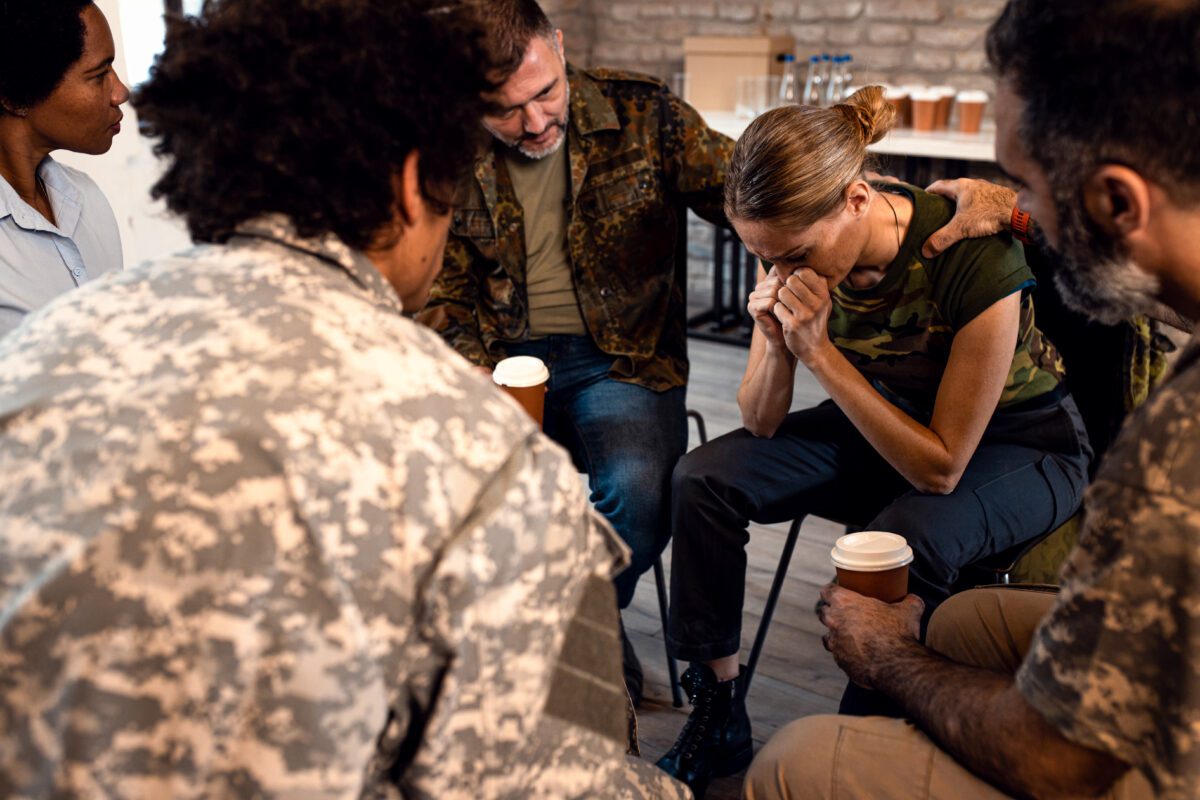
Indeed, substance use can cause a ripple effect, leading to problems in relationships and employment, thus compounding the psychological risks faced by veterans. Addressing these issues requires targeted treatment approaches that consider co-occurring disorders, such as PTSD and depression, often linked to the veteran experience. Group therapy can provide a supportive environment where veterans can share their struggles and begin to heal.
It is essential to recognize the significant challenges surrounding homelessness and suicide rates. By focusing on tailored treatment options and comprehensive support, we can help veterans overcome these obstacles and improve their overall well-being. For those seeking assistance, Totality Treatment offers a range of resources, including outpatient programs and dual diagnosis treatment to effectively address these critical issues.
Tailored Treatment Approaches
When addressing veterans’ addiction treatment, we recognize that personalized approaches are essential for long-term recovery. Two main tailored treatment methods stand out: therapy and counseling, and medication-assisted treatment (MAT).
Therapy and Counseling
Therapy plays a crucial role in supporting veterans dealing with substance use disorders. Many veterans attend substance abuse treatment programs that offer specialized therapy types aimed at addressing common co-occurring disorders, such as PTSD and depression. These therapies are particularly effective due to the shared experiences these individuals have faced, especially regarding combat and reintegration into civilian life.
Group therapy sessions provide a supportive environment where veterans can relate to one another’s struggles. This sense of camaraderie fosters healing and can lead to breakthroughs in personal recovery. Techniques like Cognitive Behavioral Therapy (CBT) and trauma-focused therapies, including Prolonged Exposure and Eye Movement Desensitization and Reprocessing (EMDR), have demonstrated effectiveness for individuals facing PTSD alongside substance use disorder.
Here’s a summary of some therapy types effective for veterans:
| Therapy Type | Description | Benefits |
|---|---|---|
| Group Therapy | Sessions where veterans share experiences and challenges | Builds community support |
| CBT | Focuses on changing negative thought patterns | Effective for managing cravings |
| EMDR | Uses guided eye movements to process trauma | Reduces PTSD symptoms |
| Trauma-Focused Therapy | Specifically addresses trauma-related issues | Aids in recovery from shared combat experiences |
Medication-Assisted Treatment
Medication-Assisted Treatment (MAT) is another vital component in our tailored approach to addiction recovery. This method is especially beneficial for individuals dealing with alcohol and opioid addictions. MAT combines medications with counseling and therapy, which has shown positive effects on patients’ outcomes. Common medications used in MAT are carefully selected based on individual needs and are often FDA-approved for safety and efficacy.
In our programs, we tailor MAT by integrating it with therapies such as CBT, promoting a comprehensive treatment plan that addresses both physical and psychological aspects of addiction. This dual approach is critical in helping veterans navigate their recovery journey successfully.
An overview of common medications used in MAT is provided below:
| Medication Type | Used For | Key Benefits |
|---|---|---|
| Naltrexone | Alcohol addiction | Reduces cravings and relapse |
| Buprenorphine | Opioid addiction | Helps manage withdrawal symptoms |
| Disulfiram | Alcohol addiction | Creates adverse effects with alcohol intake |
| Acamprosate | Alcohol addiction | Restores balance of neurotransmitters |
By implementing tailored treatments that incorporate both therapy and medication, we can address the unique challenges that veterans face in their recovery from addiction. Our focus is always on creating a supportive environment that promotes healing and long-lasting success. To explore additional support options, consider our pages on intensive outpatient programs, outpatient addiction treatment, and more specialized dual diagnosis treatment.
Seeking Help for Veterans
Seeking help for veterans struggling with addiction is crucial for their recovery journey. Let’s explore how to access proper care and identify specialized treatment centers that can support their needs.
Accessing Proper Care
Veterans with substance use challenges have various options for care. The Department of Veterans Affairs (VA) offers a range of services, including proven medication options, counseling, therapy, and support for health conditions related to substance use problems.
For those who do not have VA health care benefits, there are still avenues available. Veterans who have served in combat zones can access free private counseling, alcohol and drug assessments, and support services at over 300 community Vet Centers. This is particularly important as it provides necessary assistance to homeless veterans or those at risk of homelessness.
Specialized Treatment Centers
Specialized treatment centers play a vital role in the rehabilitation of veterans. These centers often have programs specifically designed to address common co-occurring disorders, such as PTSD and depression, which many veterans face due to shared experiences during combat and reintegration. The availability of tailored therapies can significantly enhance the recovery process (Veteran Addiction Treatment).
At specialized centers, medication-assisted treatment (MAT) is frequently utilized to assist with alcohol and opioid addictions. When combined with therapies like Cognitive Behavioral Therapy (CBT), MAT has demonstrated positive outcomes for many patients. Medications used in MAT are FDA approved and catered to individual needs, promoting effective recovery strategies.
Accessing and engaging with these resources can pave the way for a successful recovery journey for veterans. With such support, veterans can find healthier pathways to cope with their challenges, leading to a renewed sense of purpose and improved overall well-being. To explore more options, check out our articles on outpatient addiction treatment, intensive outpatient program, and dual diagnosis treatment.