When you explore dual diagnosis admission in Los Angeles, you’re taking a crucial step toward integrated care that addresses both substance use disorder and mental health conditions simultaneously. This comprehensive approach recognizes how each challenge can fuel the other and lays the groundwork for lasting recovery. In addition, Los Angeles offers a range of specialized programs—from residential centers to intensive outpatient services—so you can find the right fit close to home.
Understand dual diagnosis treatment
What is dual diagnosis?
Dual diagnosis refers to the co-occurrence of a substance use disorder (SUD) and a mental health condition, such as depression, anxiety or bipolar disorder. Nearly half of adults with severe ADHD also struggle with addiction, and about a third of those facing major depressive disorder develop a concurrent SUD [1]. Treating both conditions together is critical, because addressing only one can leave the other untreated and increase the risk of relapse.
Prevalence in Los Angeles
In Los Angeles County, almost 1 in 5 adults experiences a mental health condition, often compounded by housing instability and economic pressures [2]. When mental health and addiction intertwine—known as dual diagnosis—integrated treatment programs become essential to break the cycle.
Enjoy benefits of integrated care
Better treatment outcomes
By receiving simultaneous care for both disorders, you benefit from coordinated therapies that target root causes. Studies show integrated approaches, such as combining cognitive behavioral therapy (CBT) with medication management, lead to higher rates of sustained recovery and lower rates of relapse.
Personalized support plans
Integrated treatment teams collaborate to develop an individualized plan that may include:
- Evidence-based therapies (CBT, dialectical behavior therapy)
- Group counseling to build peer support
- Psychiatric evaluation and medication management
- Holistic activities (mindfulness, yoga, nutrition guidance)
This tailored mix ensures you address every aspect of your health within one program.
Continuous care coordination
One of the biggest advantages of dual diagnosis admission is seamless communication among your providers. Instead of juggling separate mental health and substance abuse specialists, your care team works together—sharing insights and adjusting your plan as needed. As a result, you experience fewer gaps in services and a smoother path through each phase of treatment.
Navigate admission criteria
Initial consultation and assessment
Your first step is a comprehensive evaluation of both your substance use history and mental health status. During this consultation, licensed clinicians will ask about:
- Current and past substance use
- Psychiatric symptoms (mood swings, anxiety, trauma)
- Medical history and medications
- Social support and living environment
This assessment helps determine your level of care and identify any co-occurring disorders. To learn more, visit our page on consultation for addiction treatment in la.
Insurance and payment options
Most dual diagnosis programs in Los Angeles accept major insurance plans and offer sliding-scale fees or financing for those without coverage. Your provider’s admissions team will verify benefits and help you understand any out-of-pocket costs before you commit. If you need a quick start, inquire about same-day admission drug rehab los angeles to minimize delays.
Follow admission steps
- Reach out for a consultation—either by phone or online form.
- Complete your clinical assessment, including mental health screening.
- Review your personalized treatment plan with admissions staff.
- Finalize insurance verification and financial arrangements.
- Schedule your intake date and orientation session.
- Arrange transportation and pack essentials for your first day.
Each facility may vary slightly, so you can also explore the admission process for addiction treatment in los angeles for detailed guidance.
Prepare for your first day
What to bring
To make your first day as smooth as possible, pack:
- Photo ID and insurance card
- Comfortable clothing and athletic shoes
- Personal hygiene items (toothbrush, shampoo, deodorant)
- List of current medications
- A small journal or notebook
Leave valuables and electronics at home unless explicitly allowed. If you’re curious about the typical routine, check out what to expect first day in rehab los angeles.
Typical activities
On day one, you’ll:
- Meet your primary care team
- Attend an orientation and facility tour
- Undergo medical vitals check and brief lab work
- Join a group introduction session
- Set short-term goals with your therapist
This structured schedule helps you settle in and feel supported from the start.
Utilize local resources
Planning your commute
Los Angeles traffic can be unpredictable. To minimize stress, plan your route in advance and allow extra travel time. For detailed tips, visit navigating la traffic to rehab — planning your commute.
Community support groups
Beyond formal treatment, local 12-step meetings and peer support gatherings offer valuable connection:
- SMART Recovery meetings across L.A. neighborhoods
- Dual Recovery Anonymous groups focusing on co-occurring disorders
- LGBTQ+ recovery circles in West Hollywood and Silver Lake
Online directories like Meeting Guide can help you find nearby sessions.
Telehealth follow-ups
Many programs in Los Angeles now offer virtual check-ins for therapy and psychiatric appointments. This flexibility helps you stay on track when work, school or family responsibilities pull you away from campus visits.
Consider program options
Here’s how three dual diagnosis programs in Los Angeles compare:
| Program | Setting | Highlights |
|---|---|---|
| Totality Treatment Center | Residential and outpatient in L.A. | Dual diagnosis expertise, tailored care plans, convenient Hollywood and DTLA locations |
| UCLA Dual Diagnosis Program | 8-week intensive outpatient | Daily group therapy, weekly individual sessions, medication management [1] |
| Studio City Recovery | Dual-diagnosis specialized treatment | Evidence-based modalities, CBT and group counseling, personalized relapse prevention |
Each option offers a slightly different blend of care levels and amenities. If you’d like to learn about Totality’s admission requirements, see how to get into totality treatment in la.
What to expect after admission
Early treatment phase
Once admitted, you’ll begin with a stabilization period that may include medically supervised detox or medication adjustments. Your team will establish a daily schedule of therapy groups, individual counseling and wellness activities. This intensive phase helps manage withdrawal symptoms, establish coping skills and address acute psychiatric concerns.
Continuing care planning
As you progress, the focus shifts to relapse prevention and long-term well-being. You’ll work with case managers to:
- Coordinate ongoing appointments (therapy, psychiatry)
- Develop sober support networks
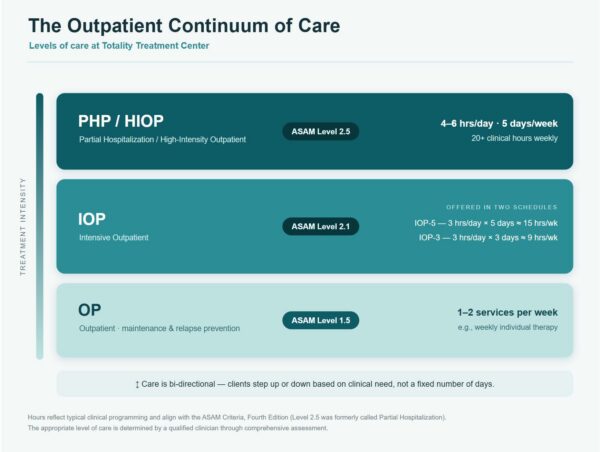
- Create a step-down plan (partial hospitalization, intensive outpatient)
- Identify community resources for housing, employment and social support
For an overview of post-admission milestones, see after admission: next steps in los angeles rehab.
Take next steps toward recovery
Dual diagnosis admission in Los Angeles connects you with the comprehensive care you need to heal both mind and body. If you’re ready to begin, schedule a consultation for addiction treatment in la today. If you or a loved one is in crisis, call or text 988 for immediate support. You don’t have to face these challenges alone—help is available, and recovery is within reach.