You may be wondering when to begin rehab in Los Angeles and how to choose the right entry point for your recovery journey. Whether you’re noticing warning signs in yourself or supporting a loved one, understanding the optimal timing can make a significant difference in outcomes. In this guide, you’ll learn how to assess your readiness, explore local admission options, navigate intake procedures, manage Los Angeles logistics, and maximize early treatment success. By the end, you’ll be equipped to take the first step toward comprehensive care and lasting recovery.
Assess readiness for recovery
Before you explore treatment centers, it’s important to recognize your own or your loved one’s readiness for rehab. Timely intervention often leads to better engagement, reduced risk of complications, and stronger long-term results.
Signs you need help
- Loss of control over substance use
- Neglecting responsibilities at home, work or school
- Experiencing withdrawal symptoms when you stop using
- Increasing tolerance, leading you to use more to feel the same effect
- Strained relationships or social isolation
- Legal or financial troubles related to substance use
Benefits of early intervention
As a result of acting promptly, you can:
- Reduce medical risks and potential complications
- Shorten the duration of intensive treatment services
- Break the cycle of escalating use before it intensifies
- Access detox and supportive therapies sooner
- Preserve relationships and career stability
Recognizing these signs and deciding to seek help sets the stage for a tailored treatment plan that meets your unique needs. In addition, early action can improve your confidence and commitment to recovery.
Explore admission options
Los Angeles offers a spectrum of entry points, from medical detox to outpatient counseling. Each level of care has its own timing considerations, so it’s crucial to match your needs and schedule.
Medical detox and evaluation
Before formal rehab, many programs begin with medically supervised detox. This phase can last from a few days to two weeks, depending on substance type and severity of use. During detox you’ll undergo:
- Clinical assessment of vital signs and withdrawal risk
- Medication-assisted treatment to ease symptoms
- 24/7 monitoring by medical staff
Detox prepares you for therapy by stabilizing your body and mind. Afterward, you can transition into residential or outpatient services.
Residential versus outpatient programs
Choosing between residential and outpatient care depends on your support system, schedule and risk factors.
Table 1. Comparison of program types
| Feature | Residential care near Los Angeles CA | Starting outpatient program in Los Angeles |
|---|---|---|
| Environment | On-site housing, structured schedule | Live at home, attend scheduled therapy sessions |
| Level of supervision | 24/7 monitoring by clinical staff | Weekly or daily visits with less oversight |
| Ideal for | Severe dependence, dual diagnosis, unstable living situations | Stable home life, mild to moderate addiction, strong support network |
| Typical duration | 30–90 days or more | 8–12 weeks minimum, flexible |
| Aftercare transition | Step down to partial hospitalization or intensive outpatient | Continue with support groups and individual therapy |
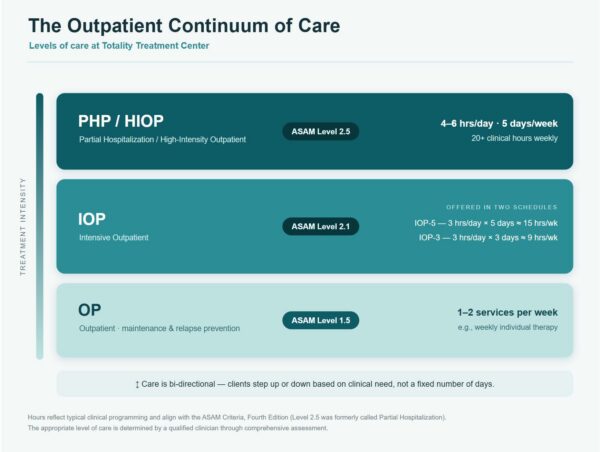
Residential care offers immersive support, peer connection and a distraction-free setting. If you prefer to maintain work or family responsibilities, you can explore an intensive outpatient program Los Angeles or a partial hospitalization program Los Angeles.
Specialized admission pathways
Some individuals benefit from programs tailored to co-occurring mental health conditions or unique life circumstances. Options include:
- Dual diagnosis admission in Los Angeles for integrated mental health and addiction treatment
- Programs focused on gender-specific or LGBTQ+-friendly care
- Faith-based or holistic approaches incorporating yoga, meditation and nutrition
- Services for young adults or older adults with age-specific challenges
A research team evaluated 345 alcohol and drug rehabs in Los Angeles and emphasized the importance of aligning program type, timing and cost with personal goals [1]. By selecting the right admission pathway, you set the foundation for comprehensive care.
Navigate intake process
Once you’ve decided on a program type, the intake process guides you from inquiry to treatment. Familiarity with each step will reduce uncertainty and help you move forward confidently.
Consultation and assessment
Your first contact typically involves a consultation, either by phone or in person. During this phase:
- Clinical staff will review your medical and substance-use history.
- You’ll discuss current symptoms, mental health concerns and social supports.
- The team will recommend an appropriate level of care and tentative start date.
If you’re ready to begin now, explore our guide on how quickly can you start rehab in Los Angeles.
Admission steps for treatment
After assessment, you’ll follow these general steps:
- Complete required paperwork and consent forms.
- Coordinate insurance verification or self-pay options.
- Schedule your admission date and arrange any pre-treatment lab work.
- Receive instructions for arrival, including packing list and travel tips.
For detailed guidance on outpatient services, see outpatient admission steps Los Angeles.
Same-day and expedited admissions
In urgent cases, many centers offer same-day admission to minimize delays. You can expedite entry by:
- Calling early in the day to secure a slot
- Having medical records and insurance information ready
- Requesting a referral directly from an emergency department or primary physician
Learn more about immediate entry in our article on same-day admission drug rehab Los Angeles.
Manage local logistics
Navigating Los Angeles traffic, coordinating family responsibilities and accessing resources can feel overwhelming. Planning ahead will smooth your commute and help you focus on recovery.
Planning your commute
LA’s highways and public transit schedules vary by time of day:
- Beat rush hours (6–9 am, 3–7 pm) when possible
- Use Metro lines or express buses if you prefer public transit
- Carpool with peers or request transportation assistance from your center
For tips on avoiding traffic delays, check navigating LA traffic to rehab — planning your commute.
Leveraging local resources
Your treatment center may connect you with:
- Community support groups and 12-step meetings across neighborhoods
- Employment assistance programs through local nonprofit partners
- Legal or housing services for those experiencing instability
- Holistic wellness activities like beachfront yoga classes or hiking groups
In addition, Southern California’s mild climate allows for outdoor therapy sessions and nature-based excursions, reinforcing holistic care.
Balancing work and family
Before you begin rehab, communicate with employers and loved ones about:
- Expected time away or flexible scheduling needs
- Emergency contacts and back-up childcare or eldercare plans
- Updated progress reports if required by work or legal mandates
A clear support network minimizes external stressors so you can focus on healing.
Maximize treatment success
The first days and weeks of rehab set the tone for lasting recovery. Engaging fully and planning for continuity of care are key.
What to expect on day one
On arrival, you will:
- Complete a health screening and substance-use evaluation
- Meet your primary counselor and clinical team
- Review your personalized treatment plan, including therapy schedule
- Participate in group introductions and community guidelines orientation
To prepare, read our overview of what to expect first day in rehab Los Angeles.
Engaging in aftercare planning
Early in treatment, collaborate with staff to:
- Identify suitable aftercare options, such as sober living or alumni groups
- Schedule follow-up outpatient or intensive outpatient visits
- Establish relapse-prevention strategies and coping skills toolbox
Strong aftercare planning reduces the risk of setbacks and reinforces gains made during inpatient or day-hospital services.
Monitoring progress and adjustments
Throughout your program, you’ll track key milestones:
- Achievement of sobriety days and reduction of cravings
- Improvement in mental health symptoms like anxiety or depression
- Strengthening of family and social relationships
- Engagement in vocational or educational goals
Review these metrics with your care team at regular intervals to ensure your plan remains aligned with your evolving needs.
Take the first step
Beginning rehab in Los Angeles is a courageous decision. You don’t have to navigate this process alone—support is available every step of the way.
Schedule a consultation
Contact our admissions team today to discuss your situation, review program options and arrange an assessment. A free, confidential consultation can clarify timing and ensure you start treatment under the best possible conditions.
Key resources and contacts
- Los Angeles County helpline: 2-1-1 for local referrals
- National Suicide Prevention Lifeline: 988
- Local 12-step meetings: find times and locations via LA recovery networks
By assessing your readiness, exploring local programs, navigating admissions, planning logistics and engaging fully in treatment, you’ll set yourself up for success. Take that vital first step today—comprehensive care and lasting recovery await.