Navigating outpatient admission steps in Los Angeles can feel overwhelming, especially when you’re eager to begin tailored treatment programs that fit your schedule and support needs. Whether you’re researching starting outpatient program in Los Angeles for yourself or a loved one, understanding each stage—from gathering documents to meeting clinical staff— lays the foundation for comprehensive care and an empowered recovery journey. In this guide, you’ll find clear, step-by-step instructions, local tips, and relevant resources, including our full admission process for addiction treatment in Los Angeles overview.
Outpatient services in Southern California offer flexible care levels, from intensive outpatient program Los Angeles clinics to partial hospital stays that bridge residential care, ensuring support necessary for lasting recovery. Each step streamlines access to individualized plans and fosters a supportive environment where you can thrive. Read on to learn how to navigate outpatient admission steps in Los Angeles with confidence.
Explore outpatient treatment options
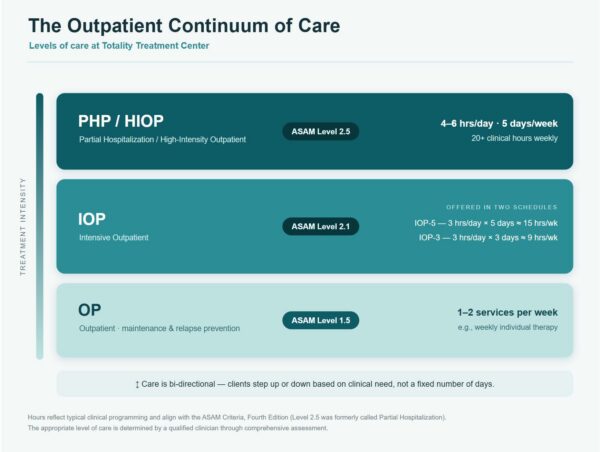
Understanding the types of outpatient programs available is crucial for choosing the level of care that best aligns with your recovery goals and daily commitments. In Los Angeles, outpatient services typically fall into three categories, each offering tailored treatment programs within a supportive environment.
| Program type | Structure | Weekly hours | Ideal for |
|---|---|---|---|
| Intensive outpatient program | 3–5 days per week, multiple sessions per day | 30+ hours [1] | Clients transitioning from detox or residential care seeking structured support |
| Partial hospitalization program | 5 days per week, full-day commitment | 20+ hours | Individuals requiring intensive therapeutic intervention without residential stay [2] |
| Standard outpatient services | Evenings or weekends, fewer sessions | 6–10 hours | Those balancing work, school, or family obligations |
Intensive outpatient programs (IOP) make up 44 percent of all drug and alcohol rehab programs in America, making them one of the most popular forms of treatment. IOP combines individual therapy, group counseling, relapse-prevention workshops, medication support, and family involvement to create a comprehensive care plan [3].
Partial hospitalization programs (PHP) provide structured day programs that mirror a residential schedule without overnight stays, emphasizing therapeutic intensity for clients who need a higher level of care but can safely return home each evening. Standard outpatient services offer greater flexibility for those with fewer clinical needs, with evening or weekend therapy sessions that adapt to your lifestyle and reinforce real-world coping strategies.
When you’re ready to start an outpatient program, our team will help you select the option that best aligns with your needs and discuss scheduling considerations. For a detailed look at program requirements and timelines, see starting outpatient program in Los Angeles.
Gather required intake documents
To ensure a smooth and efficient admission process, prepare the following materials before your initial screening call or assessment appointment. Having comprehensive documentation ready reduces delays and helps our clinical staff understand your unique medical and recovery history.
- Medical records and physician orders
- Recent clinical notes
- Physician Order with signature and diagnosis
- List of current prescriptions and dosages
- Insurance and payment information
- Insurance cards and policy numbers
- Referral or authorization from your health plan if required
- Co-pay and deductible details
- Identification and consent forms
- Government-issued photo ID (driver’s license, passport)
- Completed consent to treatment forms
- Advance directive or healthcare power of attorney (optional but recommended for medical clarity)
- Additional materials
- Statement of substance use history and milestones
- Emergency contact and family involvement preferences
Organizing these documents in a dedicated folder or secure digital file ensures you can share information quickly during intake. If you’re unsure about specific insurance requirements, our financial team can guide you through the process during the verification stage.
Schedule your screening call
Once your paperwork is in order, reach out to our admissions team to set up a screening call, typically lasting 20–30 minutes. During business hours—Monday through Friday, 8:00 a.m. to 6:00 p.m.—you can:
- Call our admissions line or submit a request through our website
- Provide an overview of your substance use history, mental health background, and any recent treatment
- Ask preliminary questions about program schedules, staff credentials, and facility amenities
This initial conversation is your opportunity to express personal goals, clarify logistics, and build rapport with the support team. You’ll also receive instructions on next steps, including how to access telehealth assessments if you can’t visit in person. If you have questions about timing or want to discuss specific program availability, consider scheduling a consultation for addiction treatment in LA.
Attend clinical assessment
The clinical assessment is a pivotal step in tailoring an individualized care plan. It typically involves in-person or virtual sessions with a multidisciplinary team that includes medical providers, therapists, and case managers. You can expect:
Medical evaluation
- Vital signs check (blood pressure, heart rate, temperature)
- Review of your medical history, including co-occurring conditions
- Medication review and potential adjustments
Psychological assessment
- Standardized questionnaires to evaluate mental health symptoms
- One-on-one interviews to explore emotional triggers and coping mechanisms
- Screening for co-occurring disorders, such as anxiety, depression, or PTSD [4]
Family or support interviews
- Optional family consultation to gather additional context
- Discussion on creating a supportive environment at home
- Guidance on involving loved ones in ongoing recovery
This assessment generally takes two to three hours to complete and lays the foundation for your recovery path. Following the session, the team compiles findings into a preliminary report that informs the treatment recommendation stage.
Review treatment recommendations
After completing your assessment, the clinical team will present a proposed plan tailored to your specific needs. This step focuses on creating individualized plans that reflect the unique challenges you face, ensuring the support necessary for lasting recovery.
Discuss program options
You’ll receive a detailed outline of recommended services, which may include:
- Intensive outpatient programming
- Partial hospitalization scheduling
- Medication monitoring
- Group and individual therapy modules
Your case manager will walk you through the rationale behind each recommendation and answer questions on structure, frequency, and expected outcomes.
Consider continuum of care
In some cases, stepping up or down the continuum of care enhances treatment effectiveness. Options may include:
- Residential care for more immersive support [5]
- Sober living arrangements for transitional housing
- Aftercare groups and alumni networks
Discuss timelines for transitioning between levels of care. Many clients begin outpatient services within 24–48 hours of this review, depending on availability and insurance authorization [6].
Verify insurance and payment
Financial clarity is essential to minimize surprises and focus on recovery. Our dedicated billing specialists handle the following tasks:
- Insurance benefits check
- Confirmation of coverage for outpatient services
- Verification of any preauthorization requirements
- Outline of co-pays, co-insurance, and deductibles
- Payment and sliding scale options
- Explanation of self-pay rates and potential discounts
- Availability of sliding scale fees based on income
- Coordination of payment plans if needed
- Funding alternatives
- Referral to community grants or nonprofit programs
- Assistance with employer-sponsored employee assistance programs
Clear communication about financial responsibilities ensures you can engage fully in treatment without unexpected billing issues.
Prepare for your first day
As you approach your start date, take time to organize your personal items and mind-set for a productive first day. Key considerations include:
What to pack
- Comfortable, weather-appropriate clothing
- Photo ID and insurance card
- Notebook and pen for session notes
- Snacks, water bottle, and any prescribed medications
- List of emergency contacts and support resources
What to expect
Your first outpatient session typically begins with an orientation that covers facility rules, confidentiality policies, and safety procedures. You’ll meet your primary therapist and review the weekly schedule, which may include:
- Group therapy workshops
- One-on-one counseling appointments
- Psychoeducational classes on relapse-prevention skills [7]
Arriving early allows you to complete any remaining paperwork and get acquainted with the treatment environment.
Navigate local logistics
Los Angeles’s traffic patterns and urban sprawl can be daunting, but a bit of planning goes a long way toward reducing stress. Consider:
- Commute timing
- Avoid peak hours (6:30–9:30 a.m., 4:30–7:30 p.m.)
- Factor in extra travel time for unexpected delays
- Transportation options
- Public transit: Metro lines, DASH buses, and local shuttles
- Parking: On-site lots, street parking permits, and shared garages
- Rideshare services and carpooling opportunities
- Neighborhood resources
- Nearby parks or community centers for breaks
- Cafes and health-focused eateries within walking distance
For detailed strategies on mapping your commute, check out our guide on navigating LA traffic to rehab — planning your commute.
Begin your recovery journey
With all admission steps complete, you’ll step into the supportive environment that sets the stage for long-term growth and healing. In your first weeks you’ll experience:
First contact with clinical staff
You’ll meet your dedicated team of therapists, nurses, and peer support specialists, each committed to fostering an atmosphere of respect, empathy, and accountability [8]. This interaction builds the foundation of trust essential for open communication.
Building your support network
Through group therapy and community events, you’ll connect with peers who understand your experiences. These bonds reinforce sobriety milestones and create an accountability structure that extends beyond scheduled sessions.
Next steps in care
As you settle into the program, you’ll collaborate with your clinical team to:
- Schedule follow-up assessments and medication check-ins
- Plan family involvement meetings
- Explore aftercare and alumni resources, such as weekly support groups [9]
Ready to take the next step? Contact our admissions team today to schedule your free consultation and start your outpatient program at our Los Angeles center.
Each stage of the outpatient admission process is designed to remove barriers and center your needs. By understanding what to expect and preparing in advance, you’ll step into a tailored treatment journey with confidence and support. Your path to recovery in Los Angeles begins here.
References
- (Outpatient Los Angeles)
- (partial hospitalization program los angeles)
- (Outpatient Los Angeles)
- (dual diagnosis admission in los angeles)
- (residential care near los angeles ca)
- (how quickly can you start rehab in los angeles)
- (what to expect first day in rehab los angeles)
- (first contact with clinical staff in la rehab)
- (after admission: next steps in los angeles rehab)