Understanding dual diagnosis and Covered California
When you are living with both a mental health condition and a substance use disorder, you need more than standard rehab or basic therapy. You need dual diagnosis treatment that accepts Covered California so you can address both issues together without taking on overwhelming costs.
Dual diagnosis, also called co occurring disorders, means you have at least one substance use disorder and at least one mental health condition at the same time. In California, this is very common. Around one third of county mental health clients have both severe mental illness and a substance use disorder [1]. Treating only one condition at a time often leads to relapse, which is why integrated care is so important.
Covered California is the state marketplace where you buy ACA compliant health insurance. These plans must cover mental health and substance use services, including dual diagnosis treatment, as essential health benefits [2]. When you choose an in network dual diagnosis program, you can often receive comprehensive care with far lower out of pocket costs than you would pay at an out of network facility.
If you are also comparing options for specific services, you can explore related resources such as covered california rehab centers or covered california mental health facilities while you read.
How Covered California plans handle mental health and addiction
Covered California plans must follow both the Affordable Care Act and California parity laws. That means mental health and substance use disorder treatment must be covered similarly to medical and surgical care, including copays, deductibles, and visit limits [3].
Core behavioral health benefits
Every Covered California plan, regardless of metal tier, includes:
- Mental health and substance use disorder services as essential health benefits, including outpatient therapy, intensive programs, and residential rehab when medically necessary [2]
- Coverage for diagnosis and treatment of serious mental health conditions such as major depression, bipolar disorder, and emotional disturbances in children [3]
- Coverage for substance use treatment, including alcohol rehab, drug rehab, and dual diagnosis services [2]
Many plans also include extra behavioral health perks, such as free meditation apps, 24/7 crisis support hotlines, and peer support options for substance use, depending on the carrier you choose [3].
If your primary concern is mental health, you can look more closely at mental health treatment that takes covered california and disorder specific programs like anxiety treatment that accepts covered california or depression treatment that accepts covered california.
Preventive services and no cost care
Preventive care is handled differently from ongoing treatment. All Covered California plans must cover certain preventive mental health and substance use services at no cost to you when you use in network providers and the service is not part of ongoing treatment [3]. These may include screenings, brief interventions, or initial assessments.
Minimum coverage, or catastrophic plans, which are available if you are under 30 or qualify for a hardship exemption, also include up to three outpatient or urgent care mental health visits per year at no cost, regardless of deductible, although other services come with higher cost sharing [3].
Timely access standards
When you are seeking dual diagnosis care, wait times can make a big difference. Covered California plans must offer you a return behavioral health appointment within 10 business days after a referral or initial visit for mental health or substance use care [3]. This standard is designed to keep you from getting stuck between intake and actual treatment.
What dual diagnosis treatment includes
Dual diagnosis treatment that accepts Covered California typically uses an integrated model where one team addresses both your mental health symptoms and substance use at the same time. This is different from traditional models that treat addiction first and refer you elsewhere later for mental health.
Common co occurring disorders
You might seek dual diagnosis treatment if you live with:
- Depression and alcohol or drug use
- Anxiety, panic symptoms, or OCD alongside substance use
- Bipolar disorder and repeated relapses
- PTSD and reliance on substances to manage flashbacks or hyperarousal
- Personality disorders with co occurring addiction
Dedicated tracks such as bipolar disorder treatment that takes covered california and ptsd treatment that accepts covered california are often part of a broader dual diagnosis program.
Integrated therapies and approaches
In California, integrated dual diagnosis treatment usually combines:
- Evidence based talk therapies like cognitive behavioral therapy (CBT) and dialectical behavior therapy (DBT)
- Trauma informed care to address past events that may drive both symptoms and substance use
- Medication management for mental health conditions and, when appropriate, medication assisted treatment for addiction
- Education about how mental health and substance use interact in your daily life
Many dual diagnosis centers are accredited by The Joint Commission or CARF, and they emphasize coordinated treatment that blends behavioral therapy, psychotherapy, education, and medication management for better outcomes [4]. These programs are often staffed by licensed master’s level clinicians who specialize in co occurring disorders and can tailor treatment to your specific combination of needs [4].
If you are focused primarily on substance use, you can also review drug rehab that accepts covered california and alcohol rehab that accepts covered california as you compare programs.
Levels of dual diagnosis care Covered California may cover
Covered California plans can cover multiple levels of care if they are medically necessary. Your exact coverage depends on your metal tier, insurer, and whether the facility is in network, but the general treatment continuum is similar statewide.
Detox and stabilization
If you are using substances that can cause dangerous withdrawal, such as alcohol, benzodiazepines, or opioids, your first step may be detox. Many Covered California plans cover:
- Inpatient or residential detox, where you stay at a facility for medical monitoring
- Outpatient detox or ambulatory detox, when your symptoms can be safely managed at home with medical oversight
Detox is often the entry point into dual diagnosis care. If you are researching options, resources such as detox center that accepts covered california and covered california detox programs can help you understand what to expect.
Medi Cal, which you may qualify for through Covered California if your income is low, also covers detox, outpatient care, and medication assisted treatment for substance use and co occurring mental health needs [2].
Residential or inpatient dual diagnosis rehab
Residential or inpatient dual diagnosis treatment provides 24 hour support in a structured setting. This level often makes sense if you:
- Have severe symptoms or repeated relapses
- Live in a high risk environment
- Need intensive stabilization before moving to outpatient care
Health insurance plans purchased through Covered California must cover addiction treatment, including residential alcohol rehab, drug rehab, and dual diagnosis treatment, as part of essential health benefits when medically necessary [2]. Many of these programs in California are specifically set up for co occurring disorders. In fact, there are more than 2,000 dual diagnosis treatment centers statewide that provide integrated care using therapy, medication, and individualized rehab plans [4].
PHP, IOP, and outpatient care
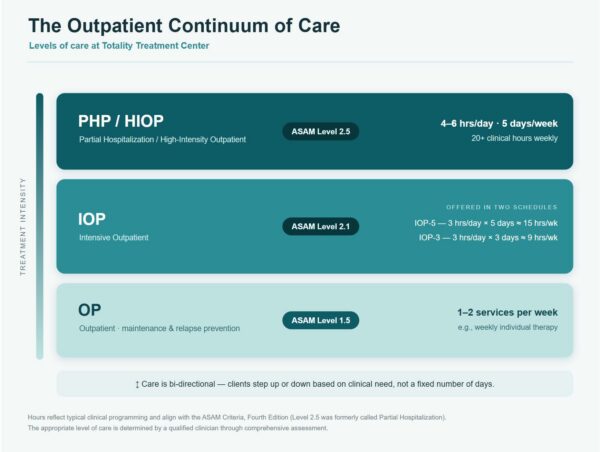
Once your symptoms are more stable, or if you do not need 24 hour care, you may step down to structured outpatient services:
- A partial hospitalization program (PHP) offers full day treatment while you sleep at home. Many people use a php program that accepts covered california as a bridge between residential and standard outpatient care.
- An intensive outpatient program (IOP) provides several therapy sessions per week, often in the evenings, and is appropriate if you need structure but can function safely at home. You can look for an iop program that accepts covered california that specializes in co occurring disorders.
- Standard outpatient programs involve weekly or biweekly therapy, psychiatry visits, or group counseling. When you are stable but still need support, an outpatient program that takes covered california can help you maintain recovery.
Dual diagnosis treatment centers operated by organizations such as American Addiction Centers often offer the full continuum, from detox to residential treatment, outpatient services, and sober living, in order to support long term recovery for co occurring disorders [1].
Why in network dual diagnosis programs lower your costs
When you are using Covered California insurance, choosing an in network facility is one of the most important ways to control your costs for dual diagnosis treatment.
How in network coverage works
In network programs have contracts with your insurance company. These contracts:
- Lock in discounted rates for services
- Require the program to follow your plan’s utilization and authorization rules
- Allow your plan to apply regular copays, coinsurance, and deductibles rather than out of network penalties
Many reputable dual diagnosis centers in California accept PPO plans purchased through Covered California from carriers such as Blue Cross Blue Shield, Aetna, or Cigna, and these plans can cover a substantial portion of treatment costs after you meet your deductible [2]. Some PPO based programs offer confidential benefit verification to help you understand your specific coverage before you commit [4].
When state funded coverage is or is not accepted
It is important to know that not every dual diagnosis center accepts every type of coverage. Several programs in California do not take Medi Cal, Medicaid, Medicare, or HMO plans, and instead focus on private PPO insurance, including some arrangements with Kaiser Permanente or TriWest [4]. On the other hand, many community and county programs do accept Medi Cal and provide comprehensive co occurring disorder services.
Because acceptance varies significantly by facility, you should always verify directly with both your insurance carrier and the treatment center before admission. This step will help you avoid unexpected bills and clarify what is covered.
How to check if a program takes your Covered California plan
Verifying that a dual diagnosis facility is in network with your Covered California plan involves a few straightforward steps. Taking the time to do this before admission can save you from financial surprises later.
Step 1: Confirm your plan details
Log in to your Covered California account or your insurer’s member portal. Look for your:
- Plan type and metal tier
- Deductible, out of pocket maximum, and behavioral health copays or coinsurance
- Requirements for prior authorization for residential, PHP, or IOP levels of care
If you are comparing carriers, or thinking about changing plans during open enrollment, you can also consider how well the plan covers services like covered california detox programs or covered california mental health facilities in your area.
Step 2: Use your plan’s provider directory
Most insurers offer an online directory where you can filter by:
- Behavioral health or substance use treatment
- Dual diagnosis or co occurring disorder services
- Level of care, such as inpatient, PHP, or IOP
Make sure to select your exact plan name so you only see in network providers. If dual diagnosis is not a filter, look at program descriptions for terms like co occurring disorders, integrated treatment, or mental health and substance use services.
Step 3: Call the treatment center
Once you have a shortlist, contact each center directly. Ask specific questions such as:
- Do you provide integrated dual diagnosis treatment or separate tracks for mental health and substance use?
- Are you in network with my exact plan? Give the plan name as it appears on your card.
- What levels of care do you offer, such as detox, residential, PHP, IOP, or outpatient?
- Do you help with insurance verification and prior authorization?
Many centers will offer to check your benefits for you while you are on the phone. Take notes about expected copays, deductibles, and any exclusions.
Step 4: Verify with your insurer
Finally, call the number on the back of your insurance card. Confirm:
- That the facility is listed as in network for your plan
- Whether prior authorization is required and who handles it
- Whether there are any visit limits or length of stay caps for dual diagnosis care
If you are considering multiple services, such as alcohol rehab that accepts covered california plus anxiety treatment that accepts covered california, ask how both would be covered within the same benefit year.
Tip: Keep a written record of every call, including the date, the name of the representative, and what they told you about coverage. This documentation can be helpful if billing issues come up later.
Matching dual diagnosis care to your needs
Your path through dual diagnosis treatment should reflect both your clinical needs and your real life responsibilities. Covered California gives you options across the continuum of care so you can find a program that fits.
When higher levels of care make sense
You may benefit from detox or residential dual diagnosis treatment if you:
- Have severe withdrawal risks or medical complications
- Cannot stay safe or sober in your current environment
- Experience intense mood swings, suicidality, or psychosis
- Have tried lower levels of care without success
In these situations, a structured setting with continuous support can give you the stability you need to begin deeper work on both your mental health and substance use.
When outpatient care is appropriate
If you are medically stable, have a safer living environment, and need to maintain work or family responsibilities, you may do well starting with:
- A php program that accepts covered california that offers daytime treatment
- An iop program that accepts covered california with evening or weekend groups
- An outpatient program that takes covered california plus individual therapy and psychiatry
You can also layer condition specific services, such as depression treatment that accepts covered california or ptsd treatment that accepts covered california, into your plan of care.
Considering long term support
Dual diagnosis recovery is often an ongoing process rather than a single treatment episode. After you complete a higher level of care, your Covered California plan can continue to support you through:
- Ongoing therapy sessions
- Medication management visits
- Periodic IOP “booster” groups if symptoms flare
- Peer support groups that may be covered or offered at low cost
Insurance coverage, including Medi Cal and Medicare for eligible individuals, can often extend to ongoing co occurring disorder treatment, although exact benefits depend on your plan, the length of treatment, and the facility you choose [1].
Taking your next step with Covered California dual diagnosis care
Finding dual diagnosis treatment that accepts Covered California can feel complex, but you are not starting from scratch. State law and the Affordable Care Act already guarantee coverage for mental health and substance use services, including integrated co occurring disorder care [2]. Your main tasks are to:
- Clarify your clinical needs, including any diagnoses or symptoms you are dealing with.
- Review your plan benefits and cost structure.
- Identify in network programs that offer true integrated dual diagnosis treatment.
- Verify coverage directly with both the facility and your insurer.
If you are still exploring your options, you can browse related resources such as covered california rehab centers, covered california detox programs, or alcohol rehab that accepts covered california to see what types of programs are available.
With the right in network support, you can address both your mental health and substance use together, reduce your financial burden, and move toward a more stable and sustainable recovery.