When you’re looking for an outpatient recovery program covered by HealthNet, you might wonder which services you can access, how to navigate your benefits, and what to expect from your recovery journey. Understanding the scope of your coverage and the types of programs available can help you make informed decisions and feel confident as you take steps toward lasting recovery.
This article will walk you through HealthNet’s coverage options, compare inpatient and outpatient settings, explore the most effective outpatient programs, and offer practical guidance for planning and maximizing your support network. By the end, you’ll have a clear roadmap for finding and enrolling in an outpatient recovery program that fits your needs and helps you build a solid foundation for long-term wellness.
Understand HealthNet coverage
HealthNet plans overview
HealthNet offers a range of insurance products—including HMO, PPO, EPO, and HSP plans—that cover addiction treatment and mental health services. Depending on your plan type and region, you may have access to multiple inpatient rehab facilities and outpatient providers within HealthNet’s network. Reviewing your specific plan details is the first step to discovering which treatment centers and programs are covered at in-network rates (Addiction Center).
Essential benefits under ACA
Under the Affordable Care Act, substance use disorder treatment is classified as one of ten essential health benefits. This means HealthNet plans must cover both inpatient and outpatient services for drug and alcohol addiction, including medical detox, counseling, therapy, and aftercare. Your plan cannot discriminate based on pre-existing conditions, ensuring equal coverage for individuals with past or current substance use disorders (The Recovery Village).
Network vs out-of-network care
HealthNet encourages members to use in-network providers to minimize out-of-pocket expenses and access negotiated rates. If you choose an out-of-network facility or clinician, you may face higher copays, deductibles, or denied claims. Some plans allow partial coverage for out-of-network services once in-network benefits are exhausted, so it’s wise to verify out-of-network provisions by calling HealthNet’s member services or reviewing your benefits guide.
Compare treatment settings
Inpatient vs outpatient care
The primary difference between inpatient and outpatient treatment is residency. Inpatient programs require you to stay on-site 24/7, receiving medical supervision, group therapy, and structured activities. Outpatient programs allow you to attend scheduled sessions—ranging from a few hours a day to several days a week—while living at home or in a sober living environment. Both approaches can address alcohol, opioid, stimulant, benzodiazepine, and polysubstance use disorders (The Recovery Village).
Cost comparison
Outpatient care generally costs less than inpatient treatment due to the absence of room and board. Approximate cost ranges without insurance are:
- Outpatient rehab: under $1,000 total
- Partial hospitalization: $3,000–$15,000 per month
- Inpatient residential care: $2,000–$40,000 per month
| Program type | Typical cost range (uninsured) |
|---|---|
| Outpatient rehab | under $1,000 |
| Intensive outpatient (IOP) | $3,000–$10,000 per month |
| Partial hospitalization | $5,000–$15,000 per month |
| Inpatient residential | $10,000–$40,000 per month |
HealthNet coverage can reduce these costs significantly. Many members pay only standard copays or coinsurance, making outpatient care a financially accessible option.
Coverage triggers
Insurance providers often require you to demonstrate that outpatient treatment was insufficient before authorizing inpatient care. You may need a clinical assessment or documentation that you’ve attempted less intensive services first. Understanding these prerequisites can help you plan your treatment trajectory and prevent unexpected denials.
Explore outpatient programs
Intensive outpatient programs
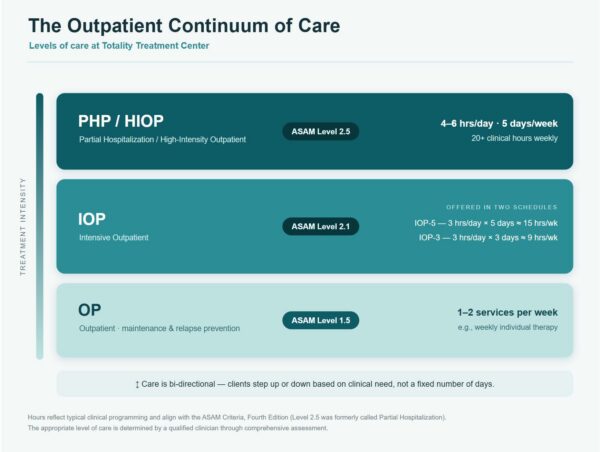
An intensive outpatient program (IOP) offers structured therapy for 3–5 days per week, typically three hours per day. IOP is ideal when you need more support than standard outpatient sessions but cannot commit to residential care. Covered services include individual counseling, group therapy, relapse prevention education, and case management. Check your benefits for details on IOP coverage and copayment levels (insurance covered intensive outpatient program for addiction).
Partial hospitalization program
Partial hospitalization (PHP) delivers a higher level of care—usually five to six hours per day, five to six days a week—without requiring overnight stays. PHP combines medical monitoring, individual and group therapy, medication management, and holistic interventions like yoga or art therapy. This format is suitable for those with moderate to severe symptoms who need daily support but wish to return home in the evenings. Many HealthNet plans cover PHP under the same mental health and substance use benefits as inpatient care (partial hospitalization program substance abuse insurance accepted).
Outpatient drug detox
If you’re experiencing mild to moderate withdrawal symptoms, outpatient detox can offer medical supervision and medication management without residential confinement. Clinicians administer medications to ease anxiety, cravings, and physical discomfort while you maintain daily routines. This option is often more affordable and flexible, allowing you to continue work or family obligations. Verify your coverage details before enrolling in an outpatient drug detox program covered by insurance (Addiction Center).
Outpatient telehealth services
Telehealth addiction treatment brings therapy and counseling into your home via secure video or phone sessions. This modality is especially helpful when transportation, childcare, or work commitments pose barriers to in-person visits. Telehealth can include individual therapy, group support, medication check-ins, and recovery coaching. Most HealthNet plans extend coverage to telehealth addiction services at in-network rates (outpatient telehealth addiction treatment covered by insurance).
Evaluate tailored treatment
Medication-assisted treatment
Medication-assisted treatment (MAT) combines FDA-approved medications—such as methadone, buprenorphine, naltrexone, and naloxone—with counseling and behavioral therapies. MAT is the gold standard for opioid use disorders and can reduce cravings, prevent relapse, and support stabilization. HealthNet covers MAT under Mental Health Parity and Addiction Equity Act provisions, ensuring you have access to both medications and therapeutic support (The Recovery Village).
Dual diagnosis support
Many individuals with substance use disorders also face mental health challenges like depression, anxiety, or PTSD. A dual diagnosis outpatient program addresses both conditions simultaneously, offering integrated counseling, psychiatric care, and case management. Coordinated treatment reduces the risk of relapse and promotes holistic healing. If you need specialized support, explore a dual diagnosis outpatient program covered by insurance.
Family and group therapy
Addiction affects not just the individual but their loved ones as well. Family therapy sessions and group counseling provide education on addiction dynamics, improve communication, and foster healing relationships. HealthNet plans often include family therapy as an essential benefit, so you can involve spouses, parents, or children in the recovery process (outpatient family therapy for addiction covered by insurance).
Plan your outpatient journey
Assess your recovery needs
Begin by identifying:
- Substance(s) you’re using and level of dependence
- Co-occurring mental health symptoms
- Home environment stability
- Work, school, or family obligations
- Financial considerations and copay amounts
A comprehensive intake assessment—either through a treatment provider or HealthNet’s referral line—will clarify which program type best aligns with your clinical and personal needs.
Coordinate with providers
Once you know your plan’s in-network providers, follow these steps:
- Obtain a list of local facilities and clinicians via HealthNet’s online portal or member services.
- Contact potential providers to confirm they accept your plan and have availability.
- Request a pre-authorization if required by your plan.
- Schedule initial assessments and iron out copayment responsibilities.
Prepare for treatment sessions
To set yourself up for success:
- Arrange reliable transportation or telehealth access.
- Secure time off work or school and inform your support network.
- Create a calm, distraction-free space for telehealth visits.
- Gather necessary documentation, such as ID, insurance cards, and medical history.
Maximize recovery support
Peer support and sober living
Connecting with peers who share similar experiences can reinforce motivation and accountability. Consider joining a structured outpatient recovery support program covered by insurance or attending community groups like AA or NA. If you need a transitional living environment, explore sober living homes that encourage continued outpatient engagement.
Relapse prevention strategies
Develop a personalized relapse prevention plan that includes:
- Identifying triggers and high-risk situations
- Learning coping skills through cognitive behavioral techniques
- Setting realistic goals and milestones
- Participating in ongoing therapy and support groups
Many outpatient relapse prevention services are covered by HealthNet; ask your provider about an outpatient relapse prevention program with insurance accepted.
Aftercare and community resources
Sustained recovery often depends on robust aftercare. Options include:
- Continuing therapy or counseling
- Regular check-ins with a case manager
- Volunteer or mentorship roles in recovery communities
- Utilization of state-funded programs or sliding-scale clinics if coverage gaps arise (SAMHSA national helpline).
Answer common questions
How do I find an in-network provider?
Log in to your HealthNet member portal or call the number on your insurance card. Search by specialty—such as addiction treatment, counseling, or medication-assisted treatment—and filter for in-network status. Your plan documents will outline any pre-authorization requirements.
What if I’m underinsured?
If your coverage is limited or you’ve reached your benefit maximum, you can explore:
- State-funded treatment programs or Medicaid through your local behavioral health authority.
- Sliding-scale clinics that adjust fees based on income.
- Scholarships or financial aid offered by nonprofit recovery organizations (Treatment Solutions).
How long will treatment last?
Program duration varies based on clinical needs:
- Outpatient and IOP: 3–6 months on average, up to a year for more severe cases.
- PHP: Typically 1–3 months, with flexible step-down to IOP or standard outpatient.
- MAT: Duration is individualized; some benefit from ongoing medication management.
Your treatment team and HealthNet authorizations will determine the official length of your covered services.
Take next steps
You’ve reviewed HealthNet’s coverage, compared treatment settings, and explored outpatient options tailored to your needs. Now you can:
- Review your plan documents for specific benefits and copays.
- Contact in-network providers to schedule assessments.
- Secure any required pre-authorizations before your first session.
- Lean on family, peers, and community resources for encouragement.
Every journey to recovery is unique. By taking these informed steps and leveraging HealthNet’s benefits, you’ll be well on your way to a supportive, structured outpatient program that fosters lasting change.